A trail of plastic and paper

28 10 2012

I have issues with plastic bags that are given out with just about every purchase in Zimbabwe (supermarkets, to their everlasting credit, are the exception to this statement – they charge for theirs). Harare is no longer the clean city that it was in the ’80s and early ’90s and I drive past a  rubbish tip on the way home from town; plastic bags litter the fences, trees and the farm fields surrounding it. It is especially bad when the wind is south-east and when it rains there is a distinct vomit-like smell from the dump. So when the teller at the bank told me that they were no longer accepting personal withdraws on paper slips from the beginning of next year I did a silent mental cheer. Only debit cards will be allowed. I suspect this has more to do with reducing their workload than saving the environment, but it’s a start.

The attitude at the local hardware store that afternoon was a little different.

“I don’t want a plastic bag thank you”.

“Are you sure?” the shop assistant asked dubiously. EVERYBODY takes plastic bags if they are GIVEN them.

“Yes, I am quite sure” I insisted.

“Will you be able to get your stuff to the car?” he persisted. The car was right outside the shop door so I stood my ground.

The next stop was  to pay for some air tickets to Cape Town over Christmas and New Year. The money was counted and I watched incredulously as the agent printed out the tickets; two pages for each! E-tickets no less!

“Oh, would you have preferred it as an email?” she asked when I remarked on the irony of e-tickets using so much paper.

“It’s a bit late for that” I muttered picking up the sheaf of papers.

It’s not just Zimbabwe that has trouble adapting to the electronic age. Earlier this month at London Gatwick airport in the UK I was checking in at the Emirates counter. I was very pleased with myself having done a check-in online and got my 2D bar code on my new smart phone. But nobody wanted to see it – they wanted to see the  e-ticket on paper!


Beans best before

21 10 2012

One can always get a different perspective on life from the vantage point of the toilet. I could see the remains of 2 cases of cans of beans under the spare bed in the spare room. They have been there a long time. I guess I bought them in 2008 when doing a shopping run to Johannesburg. That was the year of the crash of the Zimbabwe dollar. Food shortages abounded. The supermarket shelves were full  of very little spread out to make it look like a lot. All manner of people were selling basic and not so basic foodstuffs from their garages and charging illegally in hard currency. People coming back from the UK brought food and bread back in their luggage. Said a UK customs official to someone I know on seeing the bread in her hand luggage;  “Going back to Zimbabwe are we madam?”.

If you were down in Jo’burg it was possible to go and buy in bulk at the Woodmead Makro wholesale warehouse in the north. I did a pallet shop and ran out of money before the pallet was up to full height so it was rather expensive on the transport but I got it back to Harare with a transport company offering a specific service. Most of it was used long ago but being single I don’t go through a lot of food and the South African supermarket chains could land produce here much cheaper than the individual could once the US dollar became the currency of choice in 2009. So I rather forgot about it until just now.

The best before date on the baked beans is October last year and on the butter beans is a month ago and there is no rust on any of the cans so the contents are definitely worth investigating. This IS Zimbabwe and we don’t just throw away food because it has passed its best before date!

I do still occasionally come across wads of totally useless Zimbabwe dollars stashed away at the back of a cupboard or secreted in a suitcase. The best before dates on those was pretty much the day after I stored them (there was no point in banking them as there were limits on withdrawing cash and they devalued too fast) and no, they have no other use that even I can think of.


Out to play

12 10 2012

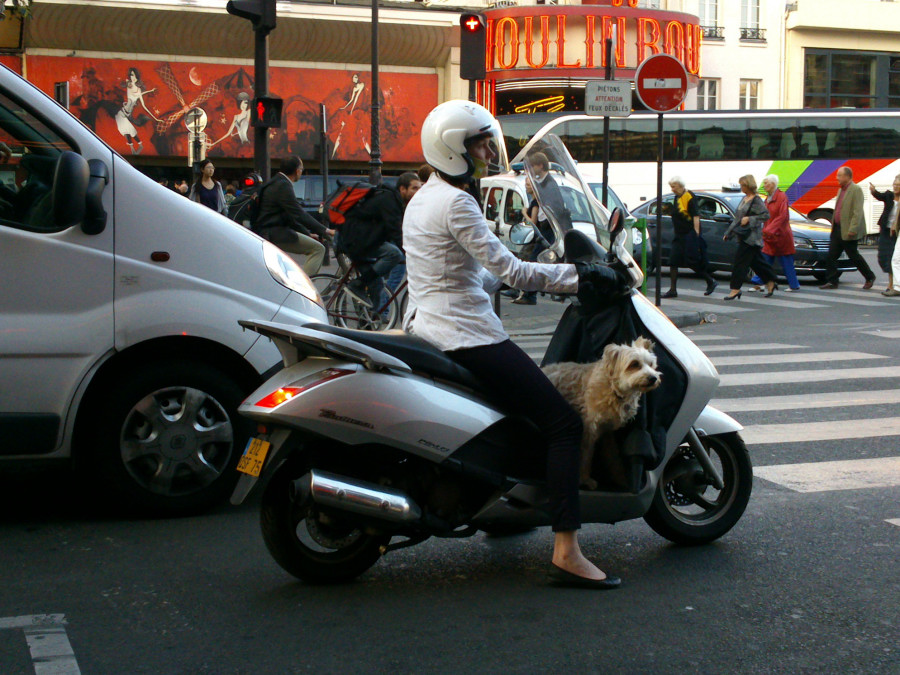
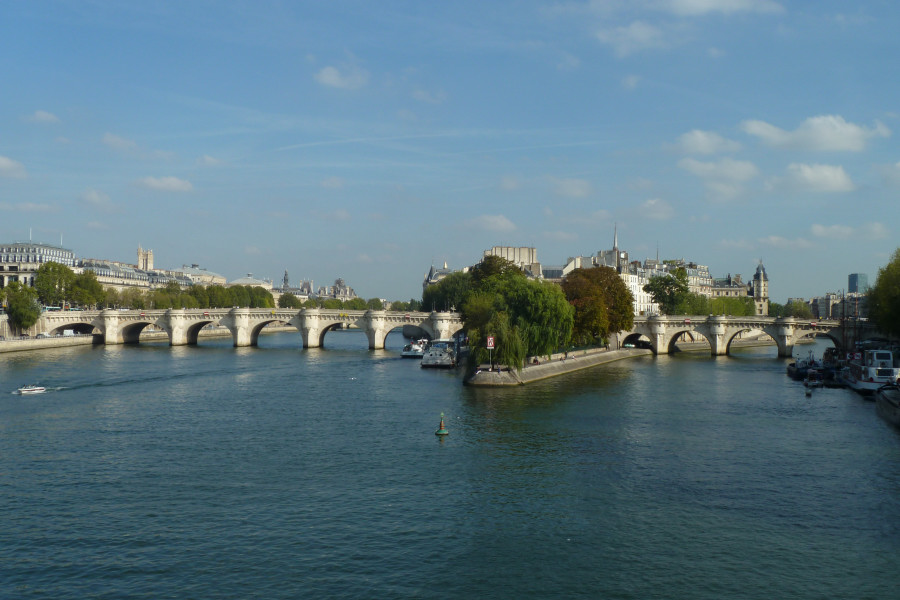
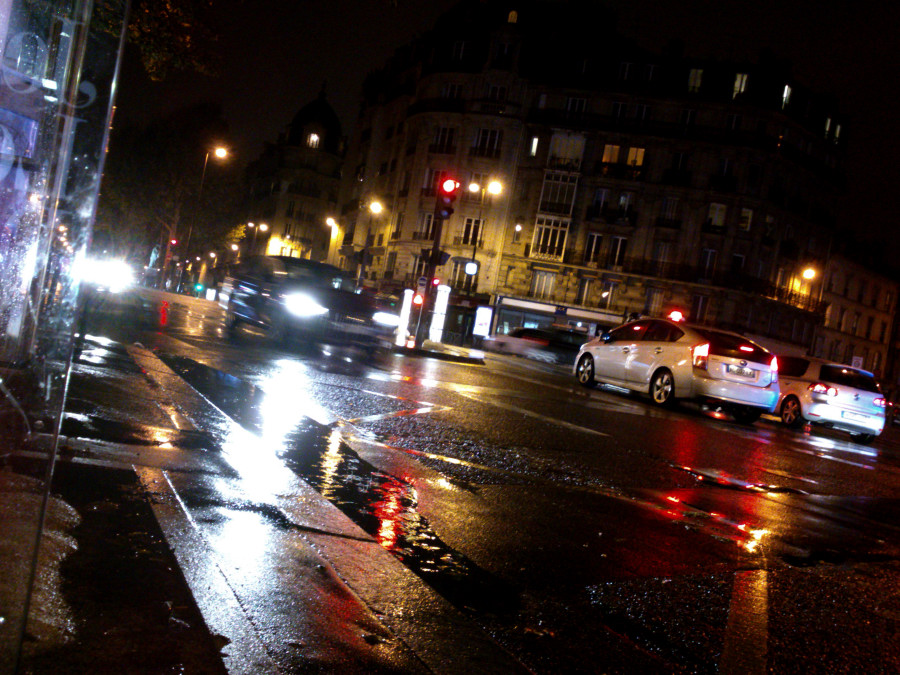
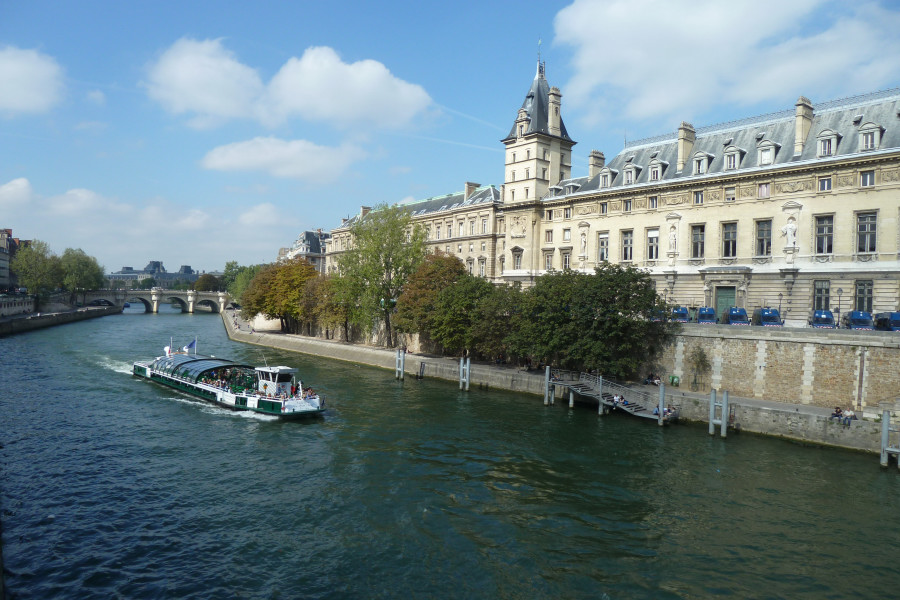
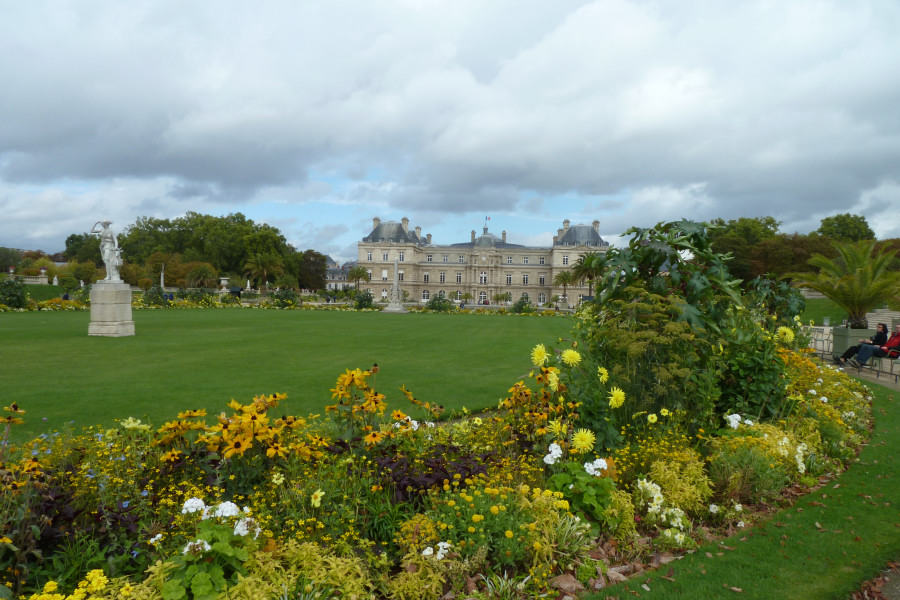
I haven’t been lazy in posting to this blog – I have been out to play! Three weeks away in the real world in Europe where the cops are not on the take, the public transport is on time and the trash is picked up – mostly. Getting off the Eurostar at Gare du Nord in Paris the cigarette butts on the railway tracks were very obvious despite the announcements that it was “absolument inderdit” (definitely prohibited) to smoke in the station or on the platforms. Very French to thumb your nose at the authority a bit – like the girl with her dog on the scooter outside the Moulin Rouge where the dancers wore more makeup than clothes. It was a LOT of makeup and yes, not a lot of clothes.

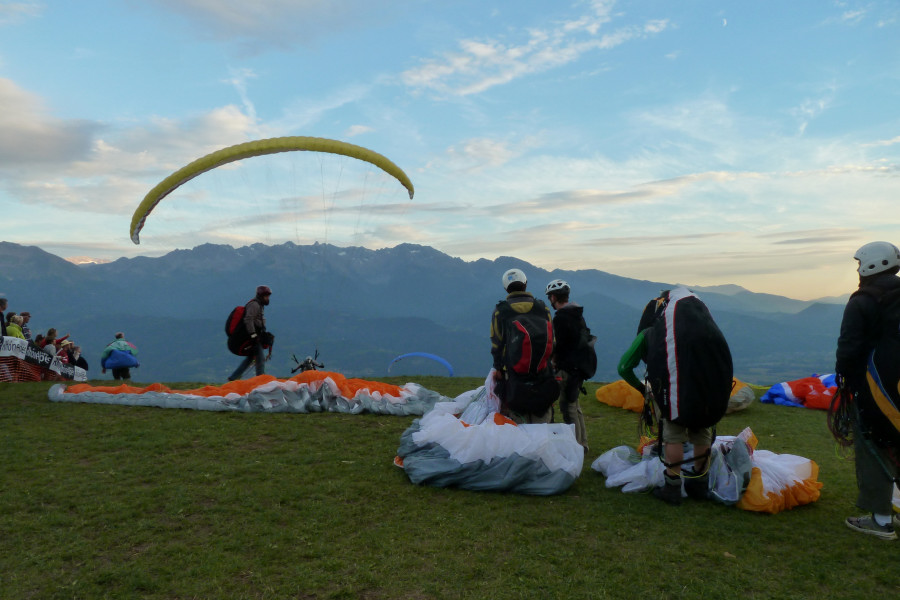
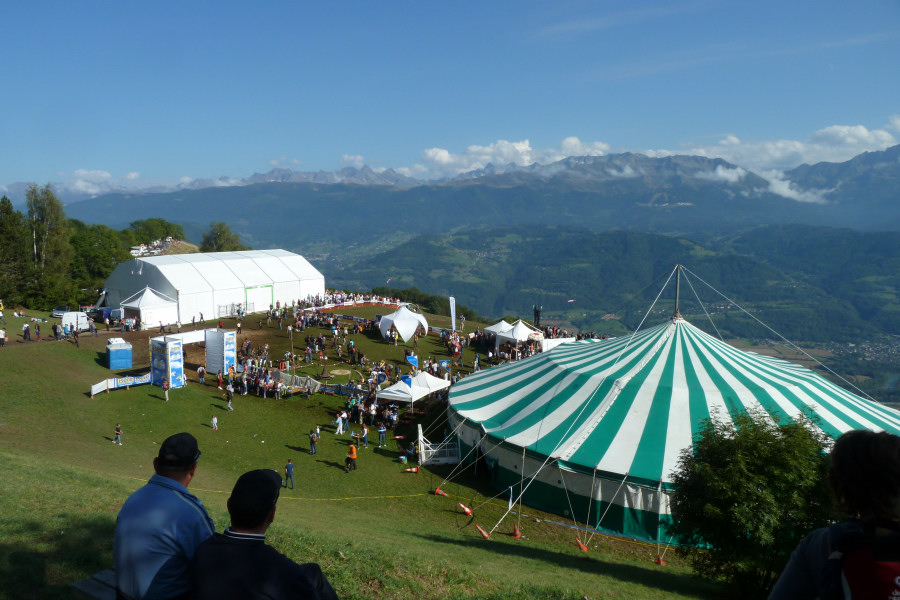
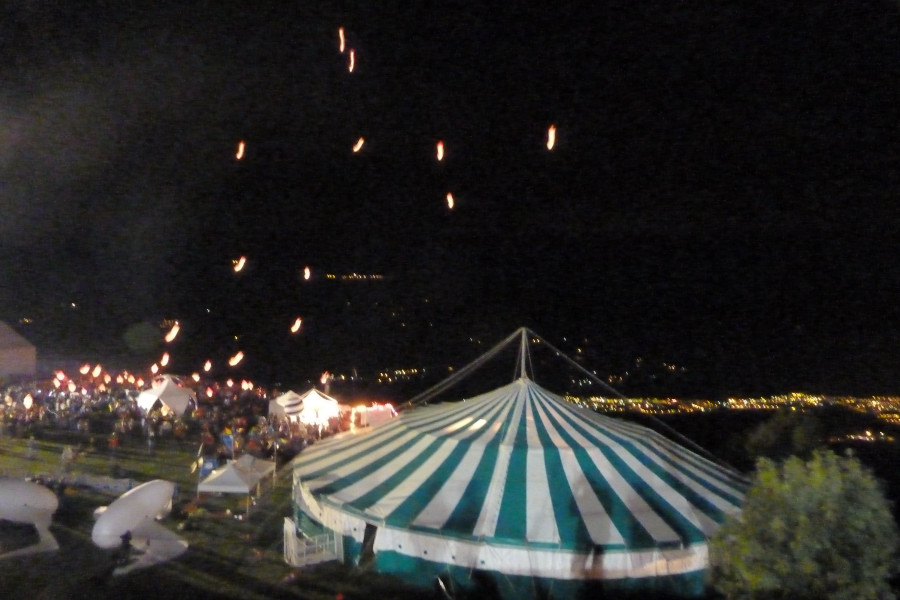
It was good to get back to Annecy where I’d flown in 2004 though this time I did not have my paraglider with me so went off to the flying festival at St Hilaire to check out the trade show, flying displays and of course the masquerade though it was difficult to get close to the latter due to the crowds. Around 80,000 people attend of the 4 days that it runs – mostly day trippers from Grenoble. An amazing atmosphere.

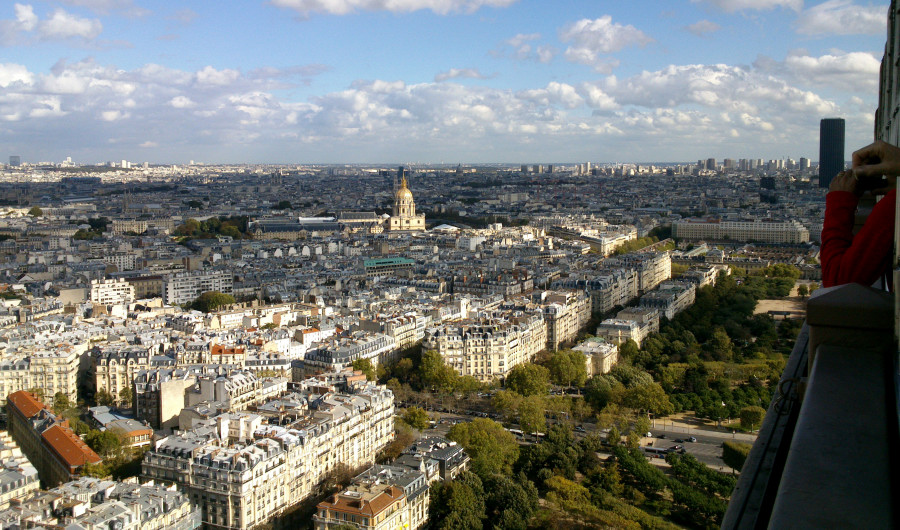
Back in Paris it was time for the Eiffel Tower where there were no queues as it was well out of tourist season and I even saw a Rhodesian Ridgeback dog being walked there. The parisiennes really do have good taste!

Then over to London for some brief shopping (why walk when it can all be done on the internet and delivered?) and a day at the Natural History Museum. The Brits do some things very well and this is one of them. A day did not even begin to cover what was on display. And there were free talks by scientists on their area of speciality in the evening.

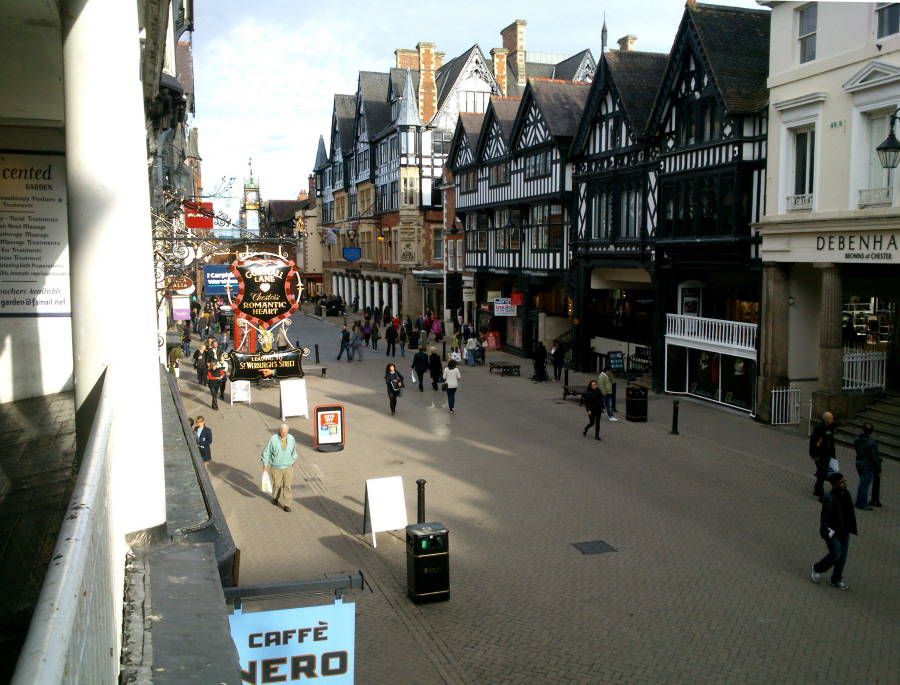
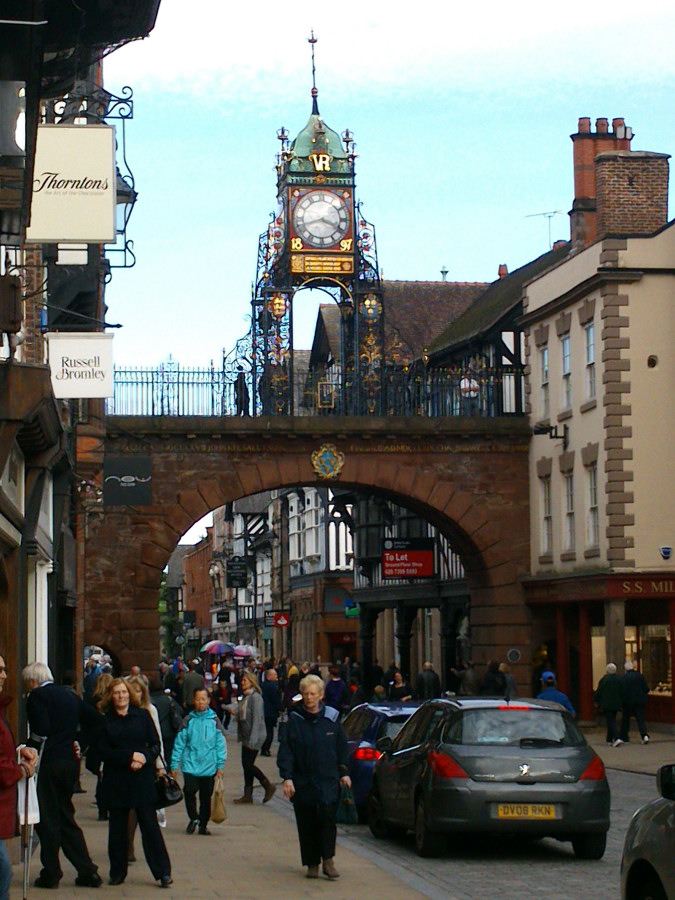
I have a brother in Shropshire so went up there for a week and met up with cousins and went on a day trip to nearby Chester in England (part of it is in Wales). An example of how tourism can be done well. Take a few lessons Zimbabwe!

Now I am back in the heat and the dust and the uncollected rubbish in Zimbabwe. The South African truck drivers on whom we are dependent for just about everything are on strike so it’s time to do some serious shopping. Kharma is delighted that I am back. It’s home.


Good intentions

13 09 2012

There are a number of new publications on offer in Harare. I’m not sure how they all manage to keep going. They list local news, have articles on wildlife and gardening what’s on for entertainment and have a lot of adverts in them. They are not the sort of thing I would buy but I do have a look at them when waiting in waiting rooms and in the magazine piles next to the toilet. There’s a monthly newspaper too called The Suburban (or something like that). It’s free so I do pick up when I see it. There is a lot of news on, well, goings-on in the suburbs and the last one was heavily focussed on the issue of informal suburban cultivation of which there is plenty at the moment. Anyone who can claims a piece of unused land at this time of year and cultivates it in preparation for planting maize when the rains arrive in November. It really is an eyesore but nobody until now has done anything about it.

It seems that the Minister for the Environment has taken it upon himself to pass a law making cultivation on the wetlands around Harare illegal. I didn’t give it much thought until today when driving past a local wetland, or vlei as they are known locally, when I saw a number of signs up in already cultivated land proclaiming NO CULTIVATION. Good intentions indeed but I will keep an eye on this to see if it is ever enforced. I suspect the signs will disappear and it will be business as usual.

A few weeks ago when driving back to work around midday I came across a fire that had just started by the local golf course. It had jumped the road and was well into the old maize land around my premises. It raged through that and was  so fierce that thermals were ripping off around my house some 800m distant. I heard later that the golf course had been fined some $200 even though they denied having anything to do with it. A small sawmill on the same premises as my nursery had timber burnt and they too were fined for not having a fire extinguisher even though it would have been utterly useless against that sort of blaze.  So maybe the environment lot have some teeth. Or maybe it’s just a case of catching whom they can.

Two days ago the smoke was so dense from all the bushfires that I could look at the sun at 4.30 p.m. quite easily. There is a lot of room for improvement.


The colours of spring

4 09 2012

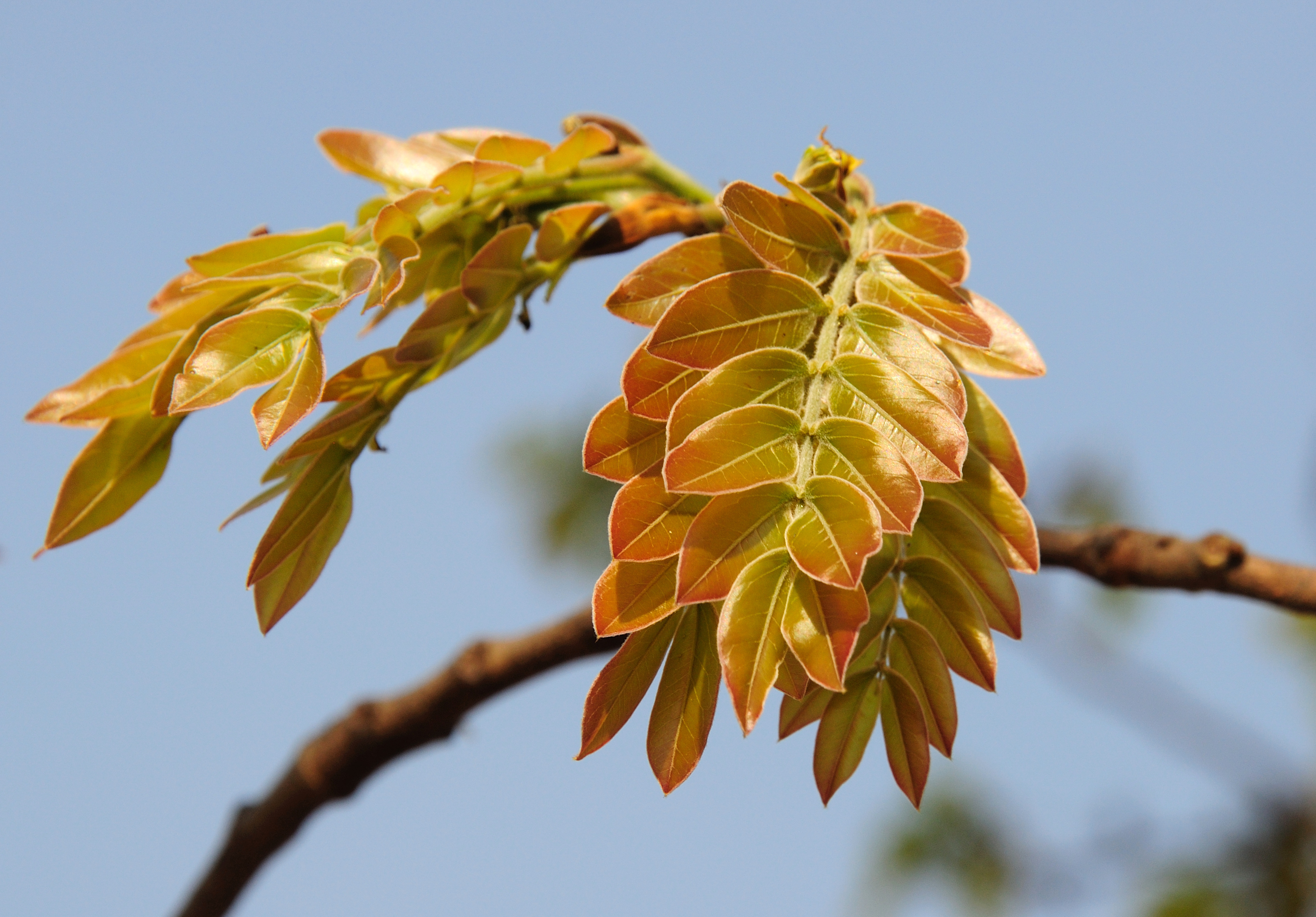
In the high latitudes nature colours the landscape in autumn or fall as it’s known in north America. In Zimbabwe the colours come in the new leaves in spring. The msasas (Brachystegia speciformis) are the first out and they don’t last long. I have tried on numerous occasions to capture the show and failed. This last weekend I had a bit more incentive as I had done nothing about the calendar that I produce every year for my company. So packing all the equipment I headed up to the Bvumba mountains in the eastern highlands of Zim with friends to where I knew the colours were good. Unfortunately the light was poor with all the bush fires around but I think I was reasonably successful.

Pure gold leaf!

The view such as it was. There were fires everywhere which did nothing for the light quality.

This was taken on a much lower part of the Bvumba.

The magic of late afternoon light. These colours are true.

This was taken on the way up to Mutare near Macheke.

There must be worse places for a picnic!

All the leaves on the tree are the same colour at once irrespective of their age.


Do spiders go to heaven?

30 08 2012

This was not a happy spider when I found her yesterday. Look at the legs – the way they are all curled forward. They do that when the end is nigh (or are dead) and sure enough this morning, when I opened the drawer where I’d left her overnight, she was dead.

She could move a bit when I found her, legs curled, on the floor of the bathroom. I moved her into some sunlight to take the photo and she didn’t try to move off. I wondered what the problem was. Old age? Parasites? It certainly wasn’t anything that had been sprayed as nothing had. She appeared to be in her prime – zoom in and marvel at those fangs and hairy coat! I cannot think what would eat a spider around here. It’s not actually spider season right now as it’s too dry to support much in the way of insects. That will change in the rains when the bathroom becomes a favorite habitat of mosquitoes. So even if spiders don’t go to heaven my bathroom will become a heaven for those of them still around. And yes, my house is a bit of a spider haven; I rather like them!


The definition of poverty

29 08 2012

The definition of poverty varies from country to country. I have heard figures ranging from $1.25 to $3.00. The minimum wage for horticulture in Zimbabwe is $70 a month plus another $77 in allowances if the person lives off the property and has to use public transport to work (this does vary quite a bit). Of course you can pay more if you feel like it and there are stipulated job definitions and grades too. Agriculture uses a 26 working day month which means that my labour force earns around $5.65 a day so is well clear of the poverty line. This strikes me as unnecessarily complicated. I think the definition should be; can they afford to have and operate a cell phone?


The season of dust

29 08 2012

Dust dry

Dry. Dust-dry. It is the season of dust.

Blown mostly for it is the season of wind too but it also drifts. Wafts. Dust skrits and grits under the computer mouse like finger nails on a chalkboard. A patina on all horizontal and even vertical surfaces dulling the pictures in the office. Brown finger prints on the paper in the printer. Brown stains on shirt collars. Brown coagulated snot blown into the toilet paper.

Dust.

It piles on the cables under the desk discouraging pulling of electrical plugs. It is dry. Dry like the skin that scales and itches begging for moisture relief from a plastic bottle. The bush is dry too, begging desperately for rain that is still nearly three months away. It has to wait, patient and stark, stripped naked and scorched by fires that rage by day and glow at night.

Dust gathers and settles silently – day and night.

Feet no longer footfall but plopf soft in the talc dust. Paws kick up a trail of dust behind the running dog. Bicycle tyres lift a miniature upside-down waterfall of dust. It gets into the car through ageing seals, clogs air filters. It obscures the sun. It is everywhere. Insidious. Creeping.

It is the season of dust.


The census

27 08 2012

It has been 10 years since the last  national census. They are still using teachers on holiday to get the statistics. The form they use has changed though. For the last census it was small and green, this year it is large and red. Like the last census I was impressed by the attitude of the official. He was on my doorstep yesterday morning at 7 a.m – no mean feat considering I live 5 km out of town and he would have had to walk the last 1.5 km from the tar road. He was also prepared for my response to “What ethnic group are you?”.

“African – I was born here, in Harare”.

“But where were your parents from?”

“The UK”.

“So you are European”.

This is actually more of an issue than most people might think. Despite having a Zimbabwean passport I am not considered “indigenous” the definition of which is (or was the last time I heard): anyone born in Zimbabwe after independence in April 1980 OR anyone born in the country before that date who by nature of their race was discriminated against. Yes, Rhodesia as Zimbabwe was then had racially biased laws. We thought that had all finished 32 years ago. Now not being indigenous has a number of disadvantages not least of which is the Indigenization Act under which those non-indigenous persons must cede at least 51% of their company’s shares to indigenous share holders within a year. The first time this was tabled limits were set on the value of companies so that those worth less than $50,000 were exempt. Now the limit for most companies has been set at $1. There are a few exceptions; arts companies have a lower limit of $500,000. Art is not a great way to make a living these days and I cannot think of any that have assets worth that amount. I can only assume that arts companies are not desirable!  Quite what this will do to foreign investment is not clear though it cannot be very attractive.

It is also not clear what will happen to the information gleaned from the census exercise and how much of the statistics will filter back to the general public. I can think that more than a few people will be interested to see how many Chinese are estimated to be in the country. I have heard a figure of about 30,000 which would make them the second biggest population group. I assume that they will not be classified indigenous!


The long day

22 08 2012

It was not a good start. I lay on the highly polished, dusty and therefore treacherous floor and wondered if I’d broken my arm. I hadn’t but there was a bit of a haematoma on the back of my hand that I thought I could sort out at lunchtime with some ice.

The next stop was the shadecloth factory where they’d quoted me the wrong price – it turned out to be just more than half the price I’d heard, or thought I’d heard, on the phone. This could be a good day! The shadecloth was offloaded at work and  Kharma was ecstatic, as she always is, to see me home for lunch. By the time I’d got to the fridge to find the ice the haematoma had gone from small to half tennis ball size and was excruciating. I phoned the doctor and got an appointment straight away. Kharma gave me the “I am a dejected dog” look as I sped away from my briefest lunch ever. They can really turn on the pressure if they want to!

“We are going to have to cut this on open” Simon said.

“Why?” – this was sounding like a very bad idea to me.

“Normally I’d leave it but you have those two abrasions which could be a source of infection and a haematoma is an infection waiting to develop”.

“What about a needle?”, I bargained.

He considered this option for a moment and then went and got a big one. I am not squeamish but this was one procedure I was not going to watch.  I left shortly afterwards with my right hand tightly bandaged and a script for antibiotics should the haematoma become infected. I was back 10 minutes later to retrieve the script I’d left at the reception. Now I had to get out to a fertilizer supplier out of town and pick up a tonne of fertilizer. It was time to look for some air for the back tyres of the pickup.

The first filling station: I knew they’d had an air hose but they were undergoing renovations and it was no longer there.

The second filling station: “Sorry no power!” the attendant said, shrugging his shoulders. A generator stood idle in the corner.

The third filling station: “Sorry but this one doesn’t work. Try the filling station back there” the attendant said. I finished my indigestion rich pie and drove off.
The filling station back there: There was air in the air hose but I couldn’t get it into the tyre. It seemed the valve on the delivery mechanism was faulty.

The fifth filling station: “Reverse in here” the attendant” called. I did.
“How much diesel do you want?”.

“I don’t want diesel, I want air” I replied wondering if this was a Monty Python skit.

“Oh, I thought you said diesel, the air is over there” he indicated a tyre and wheel balancing outfit across the street. I thought about pointing out the dissimilarites between “air” and “diesel” but my patience had failed and I knew of another filling station close to where I was going but I doubted that it was the type that had a compressor. I was right.

“How has your day been?” said the well dressed lady at the fertilizer company office.

“Dreadful” I said and recounted the tyre pressure saga in compressed format.

She shook her head and said “This place is a disaster”. Then I told the story to the clerk in the payments office.

Tony rang from work. “There is a problem with the plough – the bearing on the tail wheel has seized. Can you get another in town?”. I was nowhere near town but the bearing needed to be got so I copied down the details and phoned the company.
“Yes, I have the bearings but they are not sealed” the sales clerk replied.

“That’s not a lot of good for the purpose I want them for” I commented.

“But I can sell you the seals” she added hopefully.

“Why don’t you just give me the part number of the bearing and I’ll get it elsewhere”. This was becoming a farce.

“I can’t do that over the phone” she replied. I could think of no sensible reply so burst out laughing. This was just amazing!

I parked the pickup in the warehouse and watched in admiration as the workers loaded the 50kg bags of fertilizer having carried them on their head from the pile. In front of me there was another pickup truck loading 10kg bags of fertilizer. They were also being carried one at a time on the heads of the laborers. I suppose it is easier to walk five times to the pile than carry five in one go.

It was past 4 p.m. by the time I got to the tractor spares outlet where I found the sales clerk whom I’d phoned. I asked about the bearings whilst she wrote down the part number. They were $6 each for the unsealed bearings, $7 for the seals or $5 for the sealed bearings which they did not have anyway. I got the required part number and dashed to a bearing specialist nearby. They had the right bearings at $34 each! The salesman was emphatic that the seals, if indeed they were sold separately, could only be factory inserted. By this stage I was beyond arguing so I paid and just managed to beat the rush hour traffic back to work.