It’s been a strange rainy season here in Zimbabwe. Our rains arrived pretty much on schedule in the middle of November but that’s about all that has been normal about them. The usually dry southern and south-western parts of the country have been inundated. The Bubye river, normally notable for it’s sand content has flooded. Lake Mutirikwe has actually spilled and the largest internal lake in the country (discounting Lake Kariba which is shared on the border with Zambia) VERY rarely spills. The Barotse Floodplain in western Zambia has lived up to its name and flooded and a Zambian-based colleague confirmed that most of that country has had good rains. That’s just as well, as it’s a major source of water for Lake Kariba which has been below generating capacity and has only been letting water downstream as part of an agreement with Mozambique on which Lake Cahora Bassa is situated.
The agricultural town of Chipinge is located in the south east of the country near the Mozambique border. Being on top of the escarpment on the edge of the Mozabique coastal plain, it gets a lot of rain. The climate is mild and the area is known for it’s avocado, banana, macadamia, coffee and other sub-tropical fruit farms. It’s also the home of the biggest tree in Zimbabwe, a red mahogany (Khaya anthotheca).
I was chatting to a potential customer from the area last week. Of course we discussed the rain. Up until December last year his farm had only received 200mm of rain. “Then it rained for three weeks solidly. Look, I’m not complaining but it was a bit intense. Now we’ve had 1,600mm!”
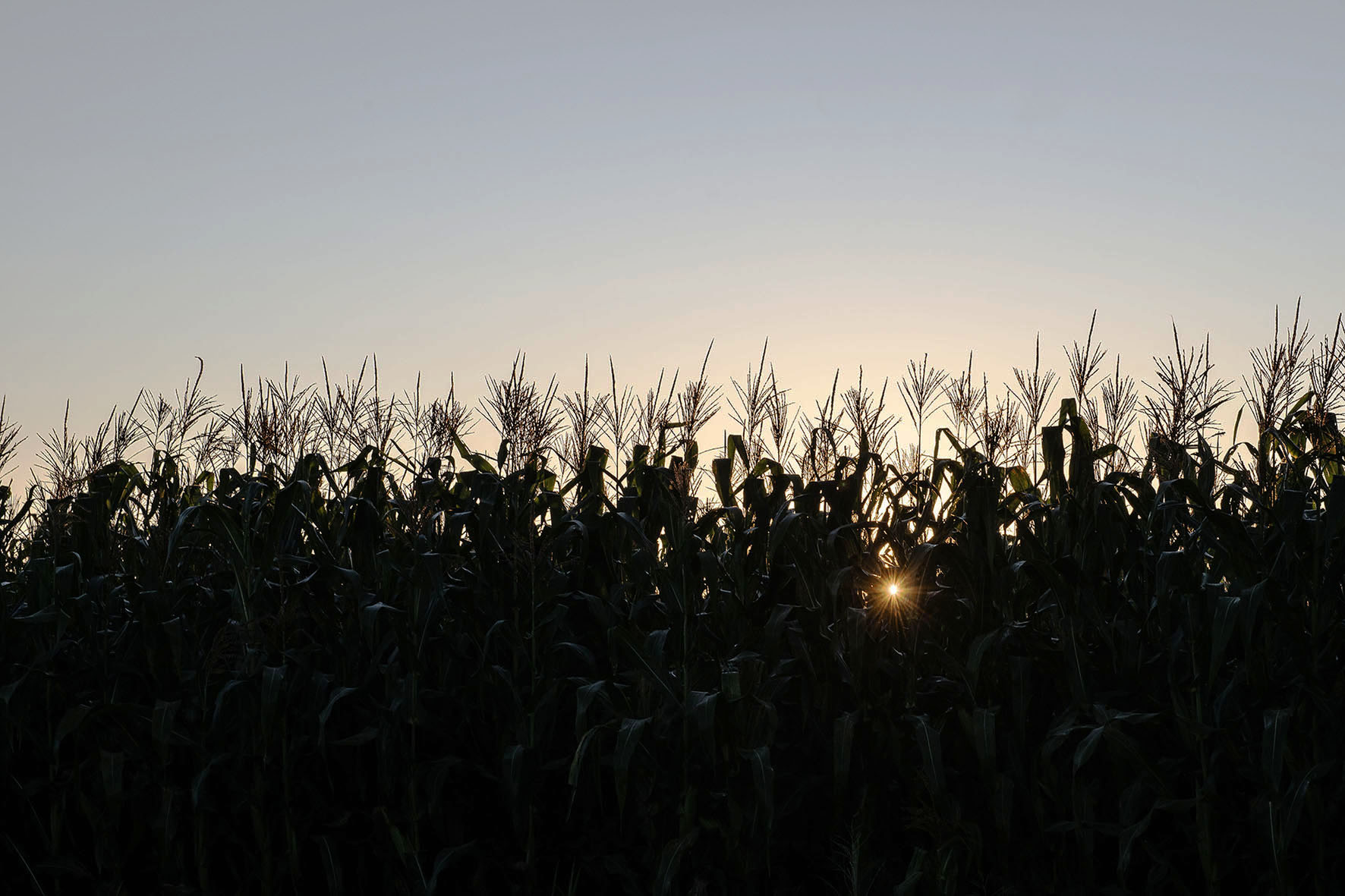
The rains here in Harare started pretty much as usual in mid-November but took a while to get going. The farmer on ART Farm where we walk the dogs in the morning took a chance by planting the commercial maize early but then had to keep it going with supplemental irrigation and even had to replant some lands when the irrigation couldn’t move fast enough. Elsewhere farmers were more lucky.

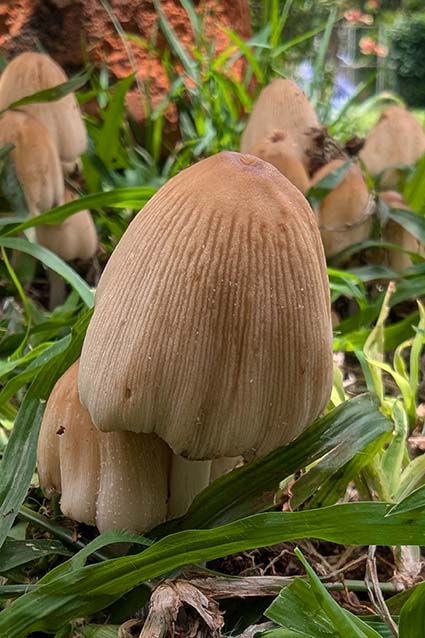
The rains have been regular enough to encourage fungi growth. Mushrooms have been regularly cropping up in our garden. Were they edible? I am not at all sure. As one wag put it; “All mushrooms are edible, but some only once”. I do have a book but am not at all an expert in identifying them and I wouldn’t trust Google Lens quite that far.

Weather apps abound but they are notoriously inaccurate, at least in this part of the world. Marianne belongs to a WhatsApp group that shares rainfall information and the variations in rainfall just a few kilometers apart were often stark. Whilst it’s tempting to attribute this to inaccurate rain gauges and exaggeration tendencies, it cannot account for differences in excess of 100%. We’ve had 648mm to date, in a “normal” season we’d expect at least 750mm, whilst guests this afternoon said they’d had over 1000mm some 30km away to the east. Bill, the owner of the rain gauge that recorded this, did admit on being a bit skeptical as to its accuracy.
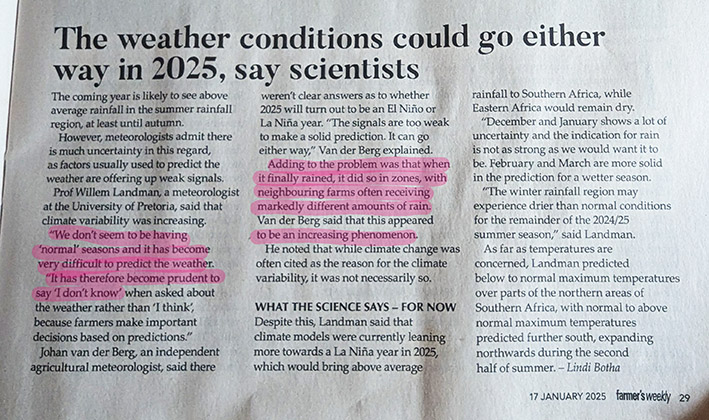
I am not sure if the weather apps are more reliable elsewhere in the world but it wasn’t unusual to get a high probability forecast of rain to be greeted with a clear sky when it was forecasted to be raining. It did on occasion go the other way – heavy rain when the forecast was for clear skies.
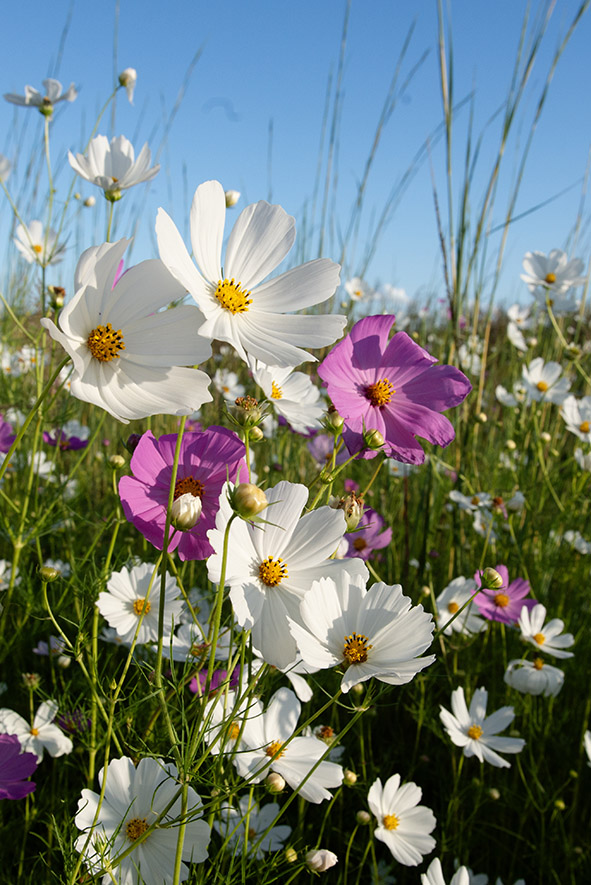
The grassland flowers have been spectacular this year. Admittedly the cosmos are usually spectacular so maybe it’s just my perspective. Every year I try to capture the intensity of the displays and inevitably am disappointed. Will give it another go next year!
The yellow hibiscus below is indigenous to Africa, Yemen and India (and some sources say Australia) which makes me wonder if it goes all the way back to Gondwana, the super continent that began to break up some 180 million years ago in the early Jurassic.

There is not a lot of information on the yellow hibiscus but it seems to be mostly nocturnal. The image above was taken at 6.20 a.m. and there is already a dead flower on the stem. From observing flowers by the road on the way to my work I know that by midday all flowers are gone. Apparently it’s relatively easily propagated from seed and cuttings so I might try establishing a few in the “wild” section of our garden.
As we approach the end of March we are unlikely to get much more in the way of significant rain though in April last year there was a 42mm on the 6th. This was unusual as it is normally a month of warm days and cool nights a plenty of sunshine. What most people would call perfect weather. We like a bit of rain with it too.

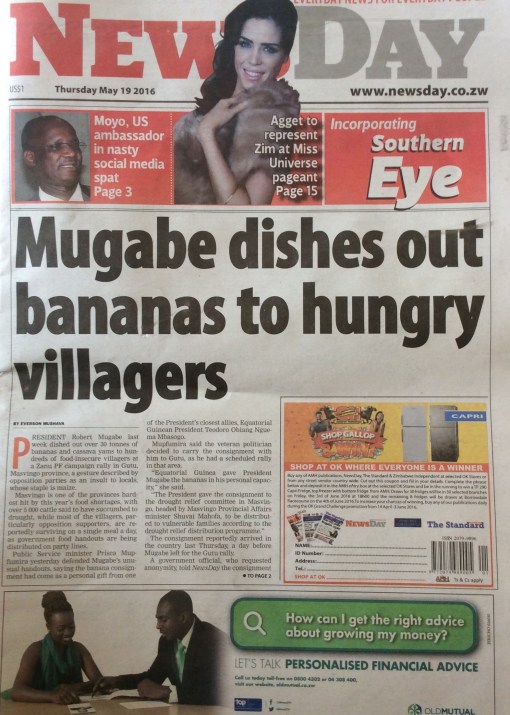


 Zimbabwe Absurdity
Hopeful signs?
29 03 2018Last week I attended the ART (Agricultural Research Trust) annual open day with the senior foreman at the nursery to keep our name recognisable (it’s Emerald Seedlings if you need to know). We’ve been feeling the pinch a bit this year – it’s been the slowest start to a year since Zimbabwe adopted the US dollar as its main currency back in February 2009.
ART is the last agricultural research centre in the country where any significant research actually happens (the other government farms are broke and little if any research is done on them) and they too have fallen on hard times now that the commercial farmers on whom they depended for tariffs are largely gone.
It was evident that there were quite a few more exhibitors than last year (we pay for space) and there were more than 250 visitors. That’s not a lot by agricultural show standards but most likely had some sort of connection to agriculture. There is a bigger agricultural equipment show later in the year but it’s open to anyone.
So was this good turnout symptomatic of a renewed enthusiasm for agriculture and the future of the country in general? It’s difficult to say. The new president, E D Mnangagwa has certainly been making all the right noises, including asking evicted white commercial farmer to return to help feed the nation. Few are likely to take up the plea. Most are now too old to start over or are established elsewhere – Zambia profited handsomely from the influx of farmers displaced by former president Mugabe’s disastrous land redistribution policy. The economy remains moribund but at least the government has resisted the temptation to print more of the infamous bond notes that curiously command a premium of 20% over cashless transactions in many parts of the economy.
Last week there was much anticipation over the name and shame list, published by the government, of people and organizations that had externalized money over the years. Names and quantities of money (to the dollar) were listed making me think that it was simply a lack of paperwork by the central Reserve Bank, after all who would export money through official channels if they knew it was illegal? Tellingly is was only a name and “shame” list, not a name and prosecute list and there were no current members of the ruling ZANU-PF party listed. Anticipation quickly became cynicism.
Last week my staff workers’ committee asked for a meeting. Cash was hard to come by; would I consider paying them more if there was no cash available for their wages because they could get a 20% discount for cash (which I do pass on as and when I get it). I don’t think they honestly expected me to say yes so I did not surprise them. Zimbabwe remains expensive and prices of imported goods (one has to wonder how grapes from Holland get a green light to be imported) continue to escalate. I did tell them that nothing was going to change before the elections scheduled later this year and even then it was only going to be incremental. I’m not sure they understood or even cared.
Yours for a cool $175,000. Comes with GPS enabled steering, air conditioning and enough lights to keep going all night. Requires an operator (drivers need not apply)
Zimbabwe ingenuity – a battery powered knapsack sprayer mounted on wheels with a spray boom adjustable in height for various crops
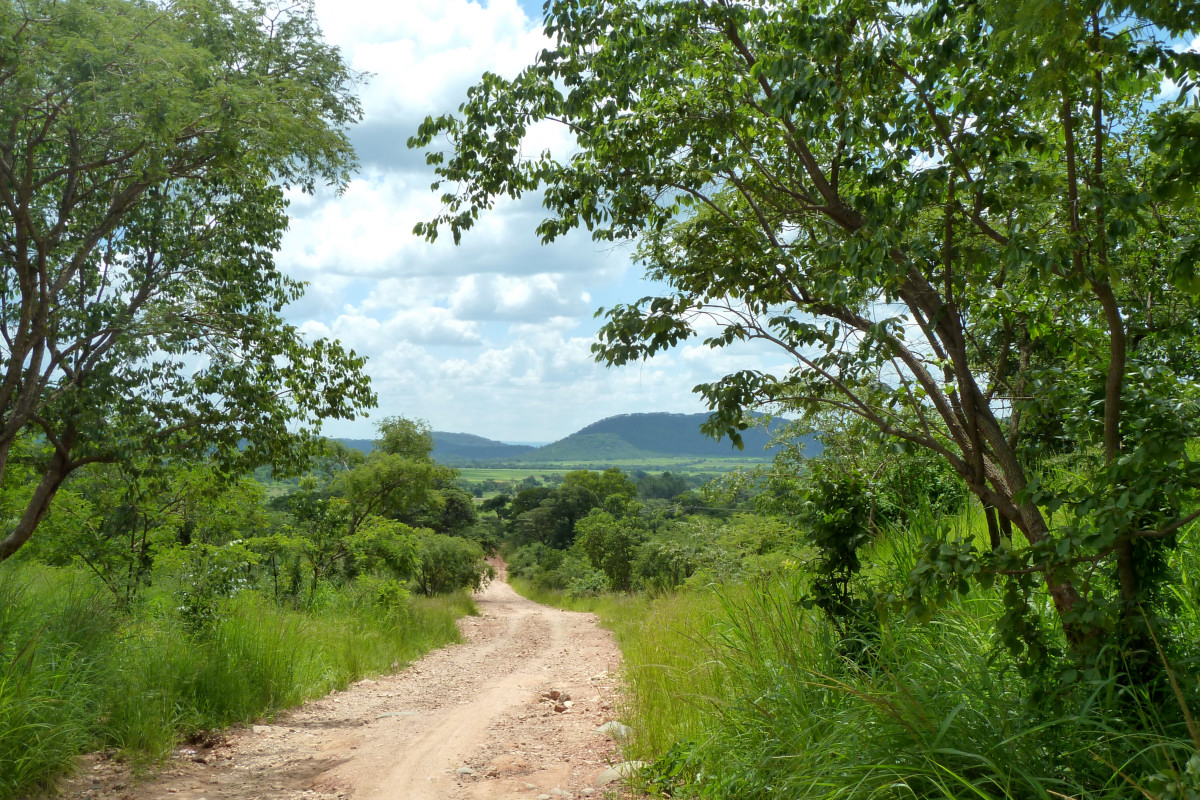
A storm on the way from Harare city. Trial plots line the road down the centre of the farm
ART field day looking north-east
Comments : 3 Comments »
Tags: Agricultural Research Trust, E D Mnangagwa, Robert Mugabe, Zambia
Categories : Agriculture, Social commentary