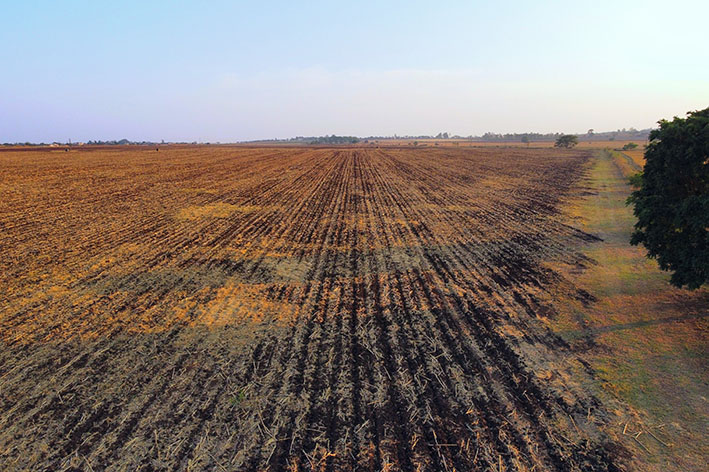
Spring

8 09 2025
A glowing ember sunset – thanks to all the smoke.

What is spring?

Smoke. Everywhere smoke from incessant bush fires started to clear lands or smoke out bees or just plain carelessness. Every year Zimbabwe burns as does the rest of southern Africa – 760,000 sq. km in 2023.

Glowing ember sunsets and reluctant red sunrises. The latter so dull that one can, with binoculars, safely see the sunspots. Lots of photo opportunities to be had.

Dust. Everywhere dust. A patina of dust on my desk every morning. The dashboard of my truck covered in dust. Motes of dust in my home office – drifting lazily down in an afternoon sunbeam.

Wind. September is the month of wind. Driving leaves, bending trees and driving the dust. Leaves and ash swirling on the garage floor. When I sailed we always used to look forward to September for the excitement of the gusty weather. In my paragliding days we’d think of other things to do though the calmer days gave good thermic conditions.

Colours. The blazing colours of the new growth on the musasa (Brachystegia speciformis) trees. If one is lucky and catches a day of relatively little smoke it is possible to photo the spectacle. I never have. One has to drive up to the Eastern Districts to get the best displays.

Our Dendrobium orchid has been particularly impressive this year.

Cool nights and warm days. Yesterday morning on ART farm it was 5°C at 6 o’clock and 29°C by midday. My fleece jacket has been washed and hung up in the cupboard until April. I am still sleeping in the bed but October will just be hot and I’ll sleep on top.

New growth. Our roses are a blaze of colour (admittedly we have been getting professional help). Everything is growing fast in the nursery. A customer for whom we are growing cherry peppers commented that he’d never seen such good seedlings. I’ll take the credit…

Our roses are looking good this spring. Marianne has commented that we need a few more yellow ones.

Bees. It’s bee swarming season. A swarm has been in one of the catch boxes hanging under the eves of the second garage for a few weeks now. It will be collected by the Mike the bee man (he runs a commercial pollination service) and we’ll be given another jar of honey that we don’t eat. In the meantime they’ll forage in the garden and elsewhere before being taken off to work. We don’t mind being a bit of a bee holiday camp.
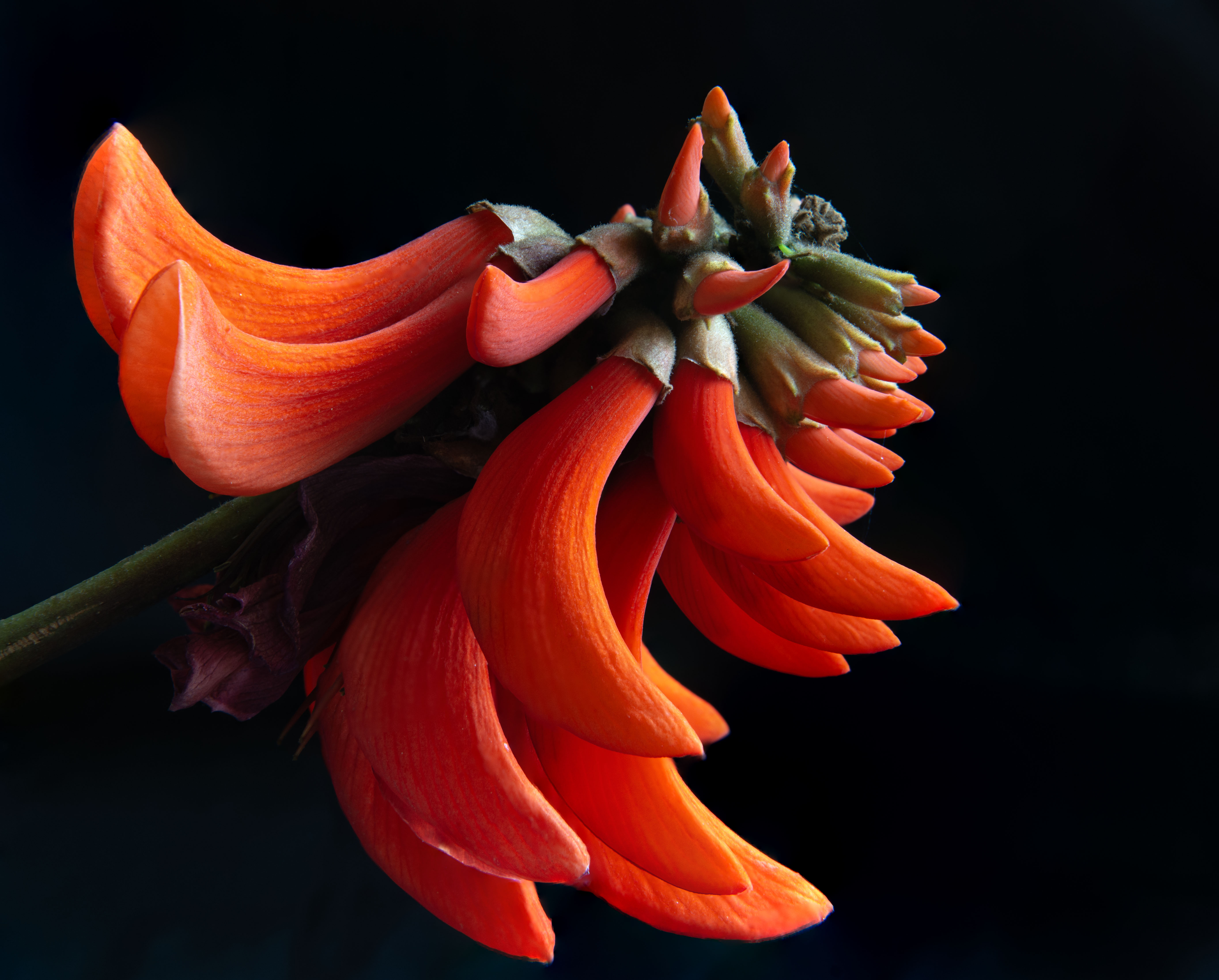
The Erythrina lysistemon (coral tree) trees has showy flowers too. This one was dripping nectar – literally!

Dry. Of course it’s dry and it will be desperately dry by the time the rains arrive in November. Our lawn is crisp. The flowers and vegetables get water but there isn’t enough for the lawn so it just has to wait. It will green-up soon enough when the rains start. It will get a little fertilizer help too and then it will need mowing weekly.

Then it will be summer.


Rumours of rain

6 11 2024
Not a massively tall termite chimney but enough to start a rumour of rain

There is a common myth that circulates Zimbabwe at this time of year; if the termites are building bigger nest chimneys than usual then the coming rains are going to be good. Apparently the logic is that they want to keep their nests dry and so need the chimney to be above the water line. It’s more than a bit flawed thinking. A lot of nests are nowhere near any flood level, historical or otherwise.

This year the chimneys are perhaps a little more noticeable than usual but that might be my appalling memory (it’s genuinely bad as a result of a medical condition but that explanation doesn’t belong here). They certainly are not big by world standards – in Australia they are really big and their primary function is cooling of the nest. Maybe they have the same function in Zimbabwe but it hasn’t been particularly hot this year.

To be a successful farmer in Zimbabwe it pays not to rely on the vagaries of the weather and use a more reliable source of water. Hence irrigation is big business. That’s not to say that all farmers have the finance or the water source to irrigate and must rely, at least to some extent, on the rains.

Land prepared and sown with soya beans – hopeful…

The farm where we walk the dogs prepared and sowed land some weeks back in anticipation of getting the soya bean crop off to an early start – essential in order to get a good yield. We do get some rains in October though the real season starts mid-November and whilst this year has not been an exception, not enough rain has fallen so far to get the crop germinated.

The medium-term forecast is not looking great

Last year was not a great one for rain. Crops failed, animals starved. At one point the abattoirs stopped taking any more cattle such was the desperation of poorer farmers who couldn’t afford supplemental feed over the dry season. El Niño was squarely to blame. That dissipated and was replaced by the much more favorable la Niña phenomenon which usually influences our weather to supply normal to above normal rains. Unfortunately it seems that la Niña has dissipated early and we are in for another, at best, erratic rainy season and yes, distribution can be more important than quantity. So much for the termite myth.