
Those were the days of lots of zeros – my claim to multimillionaire status!
There is not much to do at work at the moment – business is very quiet – so I got down to bit of clearing out old accounts and invoices. I’m told that paper records only need to go back 7 years so this printout going back to 2008 was fair game for the rubbish bin. Look at all those zeros! In August 2008 the hyperinflation was really heating up but we still had another “resetting” of the zeros to go and another 12 to gain before we ditched the ludicrous Zimbabwe dollar in February 2009 and became what is now known as “dollarised” i.e. we adopted the US dollar as the main currency. One hundred trillion Zimbabwe dollar notes are still sold as tourist souvenirs!
Given the dismal state of business I decided to get “proactive” (ghastly word) and go looking for business out of town. The small rural mining town of Bindura an hour to the north of Harare was the target. I’d been invited there by the manager of the agricultural showgrounds who’d met me a the ART Farm field day last month. He thought we might be interested in setting up a stand for August’s show and maybe selling seedlings from the grounds on a weekly basis. I was a bit sceptical but given that the town served a vast agricultural area thought there was merit in at least having a look. So I got hold of a former foreman that I’d employed some years ago, who’d decided to go farming on his own but was now looking for work, and we set out this past Tuesday.
The showgrounds were not in a great state. Although the location was reasonable the grounds were badly overgrown and the buildings dilapidated. I asked for a guided tour of the town. It was smaller than I remembered from my last visit in 2001 when I’d got into political trouble for lending a pickup truck to the opposition MDC in the general election (see this link Reflections on the First Half). We stopped at the offices of the local branch of Agritex – the government agricultural extension service responsible for the Mashonaland West province of Zimbabwe.
The man in charge came out to the car park to chat to me and upon hearing that I wanted to get a bit of exposure for my company suggested that I do the rounds of the field days in the province. I was surprised to hear that there was nearly one a day but it is a large area. He kindly wrote down the names and phone numbers of people who he thought would be most relevant for a seedling business and suggested I contact Mrs Hungwe on the route past Trojan Nickel Mine that would take us back on another road to Harare. He assured us that the road was fine.
Trojan mine appears to be doing much better than the rest of Bindura. There was certainly plenty of activity that we could see and the road was well maintained – until we got past the mine gate. For 3 km it was better to drive off the tarmac than on it. I did get quite passable after that.
Mrs Hungwe met us at the Bindura Rural District Council offices. Small and dynamic she is the chairman of the Muunganirwa-Chakona irrigation scheme some 40km from Harare. She was delighted that I was interested and invited us back today to their field day. So this morning we loaded some seedling samples to give away and headed back along the picturesque Domboshava road to the irrigation scheme.

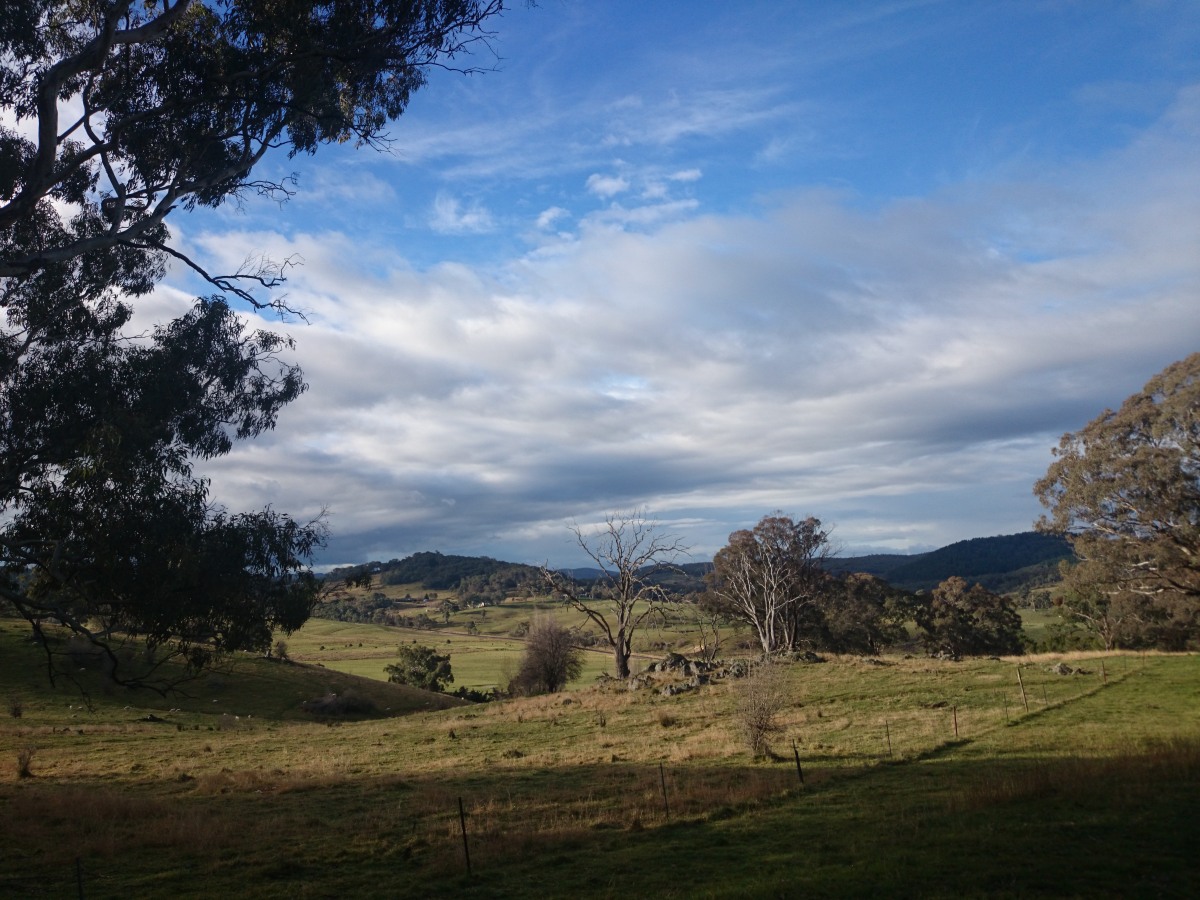
Picturesque rural scene on the Domboshava road with a classic clear autumn sky. Yes, it really was that blue!
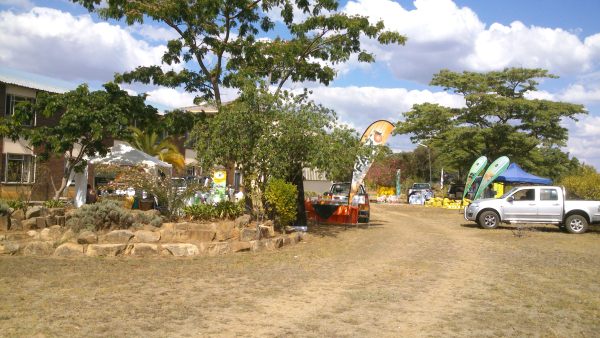
It turned out to be a longer day than I’d expected but the turnout was good with around 70 people of whom some 50 were members of the irrigation scheme. For once I felt that I was around the average age of the audience and commented as such to one of the officials. Like many developing countries the youth are not interested in farming and have largely departed for the cities. On the return trip I chatted to the young man in the foreground of the picture above – he spoke perfect English and was on his school holiday. I commented on his good English and he said he’d learnt it at junior school in Harare but was going to secondary school nearby. I suppose it was possible that his parents could no longer afford to send him into Harare. I asked him if he’d been working over his holiday. The predictable response was that there wasn’t any to be found.

The presentation
Whether the effort will pay off remains to be seen but the audience was attentive to my former employee’s presentation and the free seedlings were certainly appreciated.

This painfully thin old man appeared to be lost in his own world for the duration of the field day. He was unaccompanied but his clothes are clean and freshly pressed so someone must be caring for him.











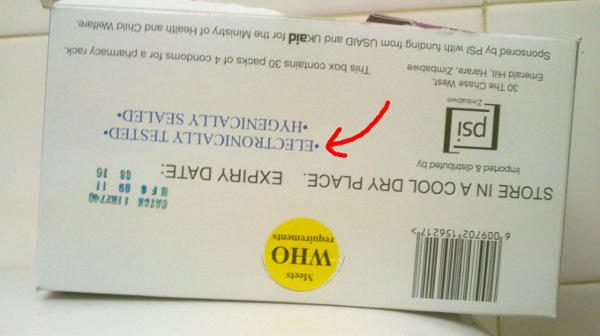
 Zimbabwe Absurdity
Hopeful signs?
29 03 2018Last week I attended the ART (Agricultural Research Trust) annual open day with the senior foreman at the nursery to keep our name recognisable (it’s Emerald Seedlings if you need to know). We’ve been feeling the pinch a bit this year – it’s been the slowest start to a year since Zimbabwe adopted the US dollar as its main currency back in February 2009.
ART is the last agricultural research centre in the country where any significant research actually happens (the other government farms are broke and little if any research is done on them) and they too have fallen on hard times now that the commercial farmers on whom they depended for tariffs are largely gone.
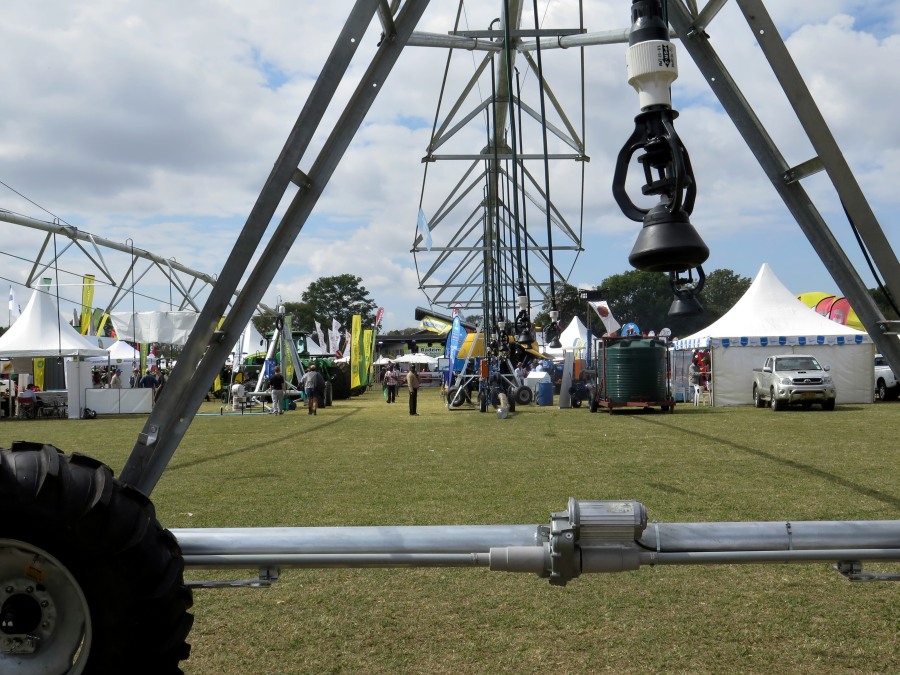
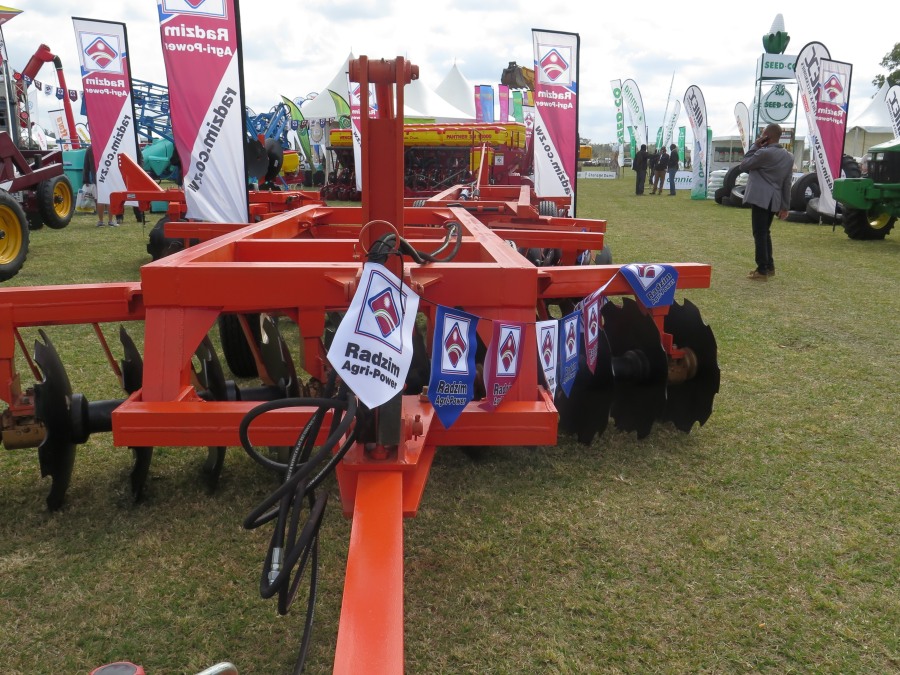
It was evident that there were quite a few more exhibitors than last year (we pay for space) and there were more than 250 visitors. That’s not a lot by agricultural show standards but most likely had some sort of connection to agriculture. There is a bigger agricultural equipment show later in the year but it’s open to anyone.
So was this good turnout symptomatic of a renewed enthusiasm for agriculture and the future of the country in general? It’s difficult to say. The new president, E D Mnangagwa has certainly been making all the right noises, including asking evicted white commercial farmer to return to help feed the nation. Few are likely to take up the plea. Most are now too old to start over or are established elsewhere – Zambia profited handsomely from the influx of farmers displaced by former president Mugabe’s disastrous land redistribution policy. The economy remains moribund but at least the government has resisted the temptation to print more of the infamous bond notes that curiously command a premium of 20% over cashless transactions in many parts of the economy.
Last week there was much anticipation over the name and shame list, published by the government, of people and organizations that had externalized money over the years. Names and quantities of money (to the dollar) were listed making me think that it was simply a lack of paperwork by the central Reserve Bank, after all who would export money through official channels if they knew it was illegal? Tellingly is was only a name and “shame” list, not a name and prosecute list and there were no current members of the ruling ZANU-PF party listed. Anticipation quickly became cynicism.
Last week my staff workers’ committee asked for a meeting. Cash was hard to come by; would I consider paying them more if there was no cash available for their wages because they could get a 20% discount for cash (which I do pass on as and when I get it). I don’t think they honestly expected me to say yes so I did not surprise them. Zimbabwe remains expensive and prices of imported goods (one has to wonder how grapes from Holland get a green light to be imported) continue to escalate. I did tell them that nothing was going to change before the elections scheduled later this year and even then it was only going to be incremental. I’m not sure they understood or even cared.
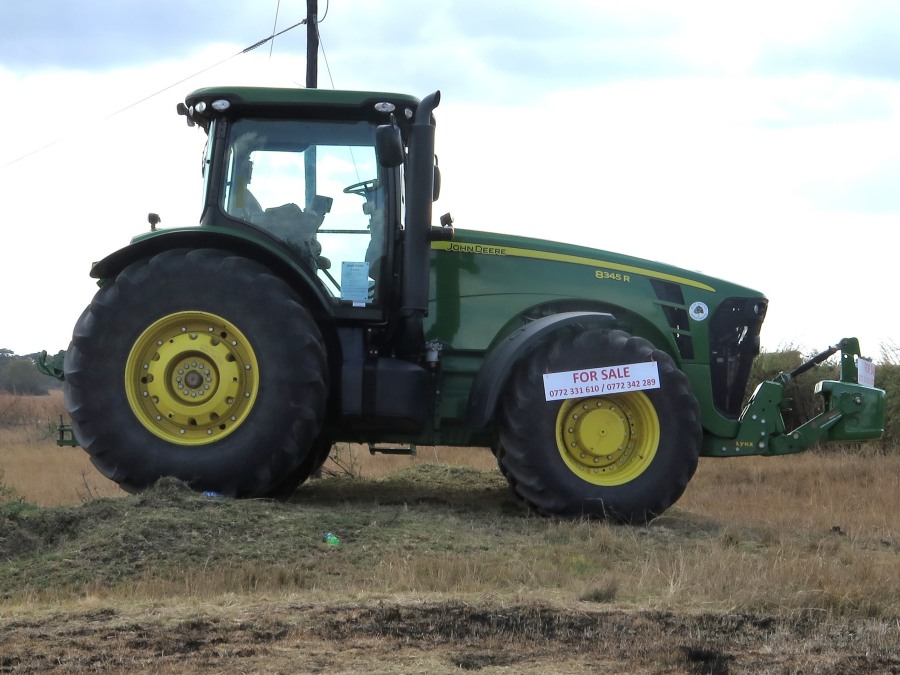
Yours for a cool $175,000. Comes with GPS enabled steering, air conditioning and enough lights to keep going all night. Requires an operator (drivers need not apply)
Zimbabwe ingenuity – a battery powered knapsack sprayer mounted on wheels with a spray boom adjustable in height for various crops
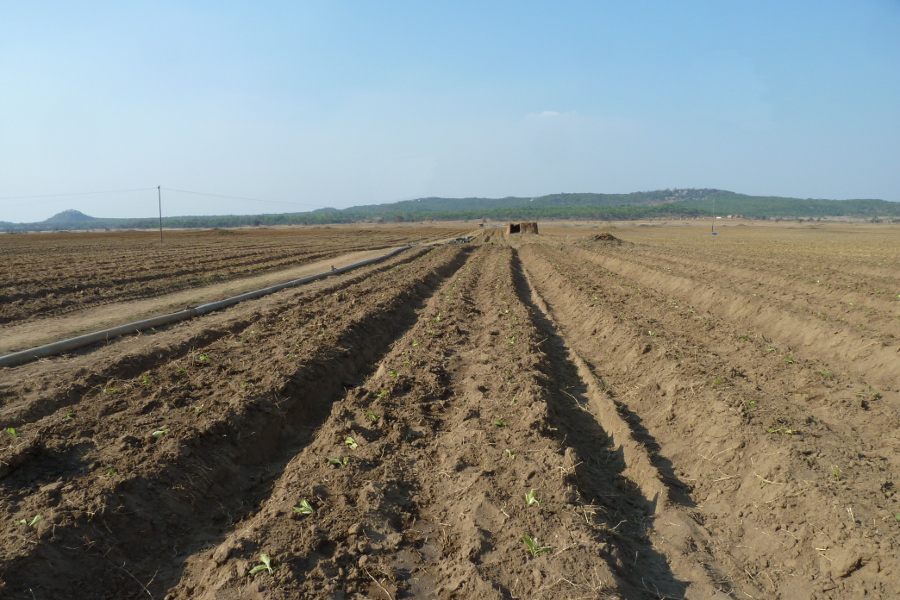
A storm on the way from Harare city. Trial plots line the road down the centre of the farm
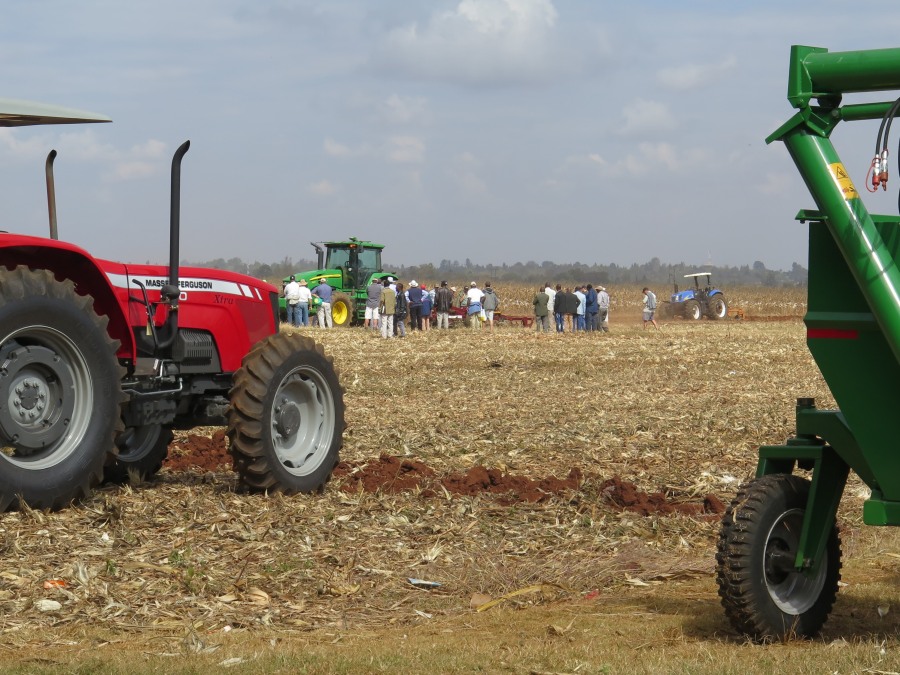
ART field day looking north-east
Comments : 3 Comments »
Tags: Agricultural Research Trust, E D Mnangagwa, Robert Mugabe, Zambia
Categories : Agriculture, Social commentary