
Probably the best view near Harare
We moved, my wife and I, at the end of December into suburbia. It was not a move for me born of desire but one borne of necessity. The house where I’d been living for the past 14 years was not for sale and even if it were there was no guarantee that it would have been a solid investment situated as it is on a farm outside of Harare which will eventually be incorporated into Zimbabwe’s capital city. Water supply might have been an issue. Currently it comes from further down ART Farm nearly 1,500m away so a source on the property would have had to be found.
I’d been happy there planting 15 indigenous trees on a property of around 1ha (yes that is a measure of contentment to my mind) but I knew that eventually I’d have to invest in a more solid property in town. So when Marianne became a permanent fixture in my life I suggested that we pool funds and look for a house. With the Zimbabwe economy sliding to a near comatose state we reckoned, and were told, that house prices were in a buyer’s market and the time was ripe to start looking. It has been a slow process – some 8 months to be exact.
Area was a concern as my work is to the north of the city and of course we were hoping to find somewhere easily accessible for exercising the dogs. We got on the internet and started looking. We were not flush with money and I insisted that we borrow as much as possible as we didn’t want to leave ourselves destitute should Zimbabwe totally collapse and we needed to find refuge elsewhere. Yes the loan would be expensive at 16% interest but worthwhile to risk someone else’s money rather than our own.
Having ascertained that we could get a loan for $75,000 we started the search. There were not a lot of houses on the market and what was there was often in very poor repair and over-priced. With the increasingly dire water shortage in the city a borehole was a prerequisite so any properties that didn’t have one didn’t merit a visit. The list of potential properties shrank and then became zero. Finally we saw a property that had some potential, or so Marianne thought. I was less enthusiastic but there was nothing else. The law had changed recently so that owners living outside the country could no longer repatriate their money from a house sale so were deciding to keep their properties – or so we were told. We paid the deposit, signed the agreement of sale and started looking for contractors to start the renovations.
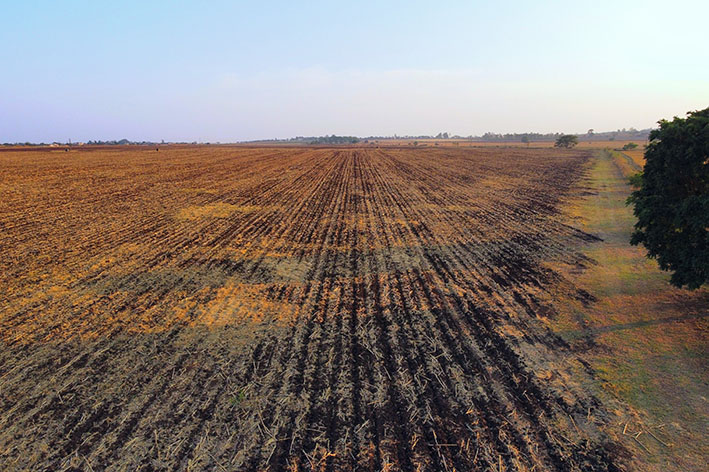
By the time we started the move we were hopelessly over budget and of the firm opinion that artisans were in very short supply in Harare. And the rains had started on time (that’s a big storm in the photograph) and I’d got a policeman to admit that the new bond notes weren’t real money and didn’t make good toilet paper. Now 3 weeks later the rains have not let up, the contractors are still clattering around, we are even further over budget and my dear sweet Ridgeback, Kharma, has developed full-blown bone cancer and doesn’t have long to live. Yes, welcome to the suburbs.
This was only predicted to be a mild la Nina season but so far it’s been anything but. ART Farm where I used to live has already had more than its average annual rainfall with the wettest month, February, still to come. Major rivers in the east of the country are in flood and Lake Chivero, Harare’s main water supply, is spilling. The roads are dreadful – it’s no longer possible to dodge all the potholes so one just has to slow down and accept that it’s necessary to drive through some. The tobacco crop will not be great quality – with all the rain the leaf becomes thin and light once cured. The maize (the staple diet) is at risk from poor pollination as it is wind pollinated and needs to be dry for that.
And the policeman. Yes, that was different. A removal company did the major moving but there were still pot plants and other assorted items collected over the years to move so I borrowed a trailer and made many trips without incident past an illegal roadblock of 2 policeman (there have to be 3 or more) who couldn’t have looked more bored. Then one day there was an altogether more professional bunch there complete with patrol car.
“I am <name given> of the Highway Patrol, this is our car” he added pointing to a small, newish police car with POLICE in 20cm high letters on the side. “You have not got a light on the number plate of the trailer”.
“Oh, really?” I replied knowing full well that I didn’t have one.
“I can show you if you like”.
“No that won’t be necessary. How much is the fine?”
“$20”. Right, $20 for no number plate light. Ridiculous but I’ve researched this before and had no intention of arguing the point.
“So you will accept bond notes even thought they are like toilet paper?” I countered instead.
“Ah, but you must embrace them” he said parroting the official line.
I looked in my wallet and to my horror noticed that I had only a $50 note and a few $1. “If I give you real money I want real money change”.
He laughed, took the proffered note and counted out my change in US dollars and green bond notes. On handing me the US notes I asked “So this is the real money?”.
“Yes” he admitted.
“So you are admitting then that the bond notes are like toilet paper. Have you ever tried them for that purpose?”.
“Yes, but they were too hard!” he joked.
Well, at least he had a sense of humour.
We had a big storm last night and on the way to work there was grass caught on the railings of the bridge over the Gwebi River, near it’s source on the Borrowdale vlei. It had been over the road in the night. The nursery had received 80mm of rain but speaking to others it emerged that the eastern suburbs of Harare had received nearly double that. Despite the fact that this is a neutral el Niño/la Nina year we are having exceptional rains. Or maybe it’s just a normal rainy season like I remember from my youth.
The renovations to the house are almost complete and we’ll all breathe more easily once the contractors finally clear out. We still find badly painted doors, taps not centred over the bath, tiles with HUGE gaps behind them and of course a monster pile of rubble and trash to dispose of. The swimming pools is clogged with leaves (we should have drained it but were worried about being able to refill it) and we had to replace a burnt-out motor on the filter.
One day it will all be sorted but poor Kharma will not be around to see it. She did not cope well with the move and still panics a bit when she cannot find me. Her leg that was healing so well with the assistance of a dog physio took a turn for the the worse just as we moved. We called in the physio again but she could find nothing wrong then last Sunday she stopped eating. Panic. Thinking it might be biliary (a fatal tick-borne disease) I rushed her to the vet but he could find nothing wrong and asked that I take her back the next day for X-rays and blood tests. The results were bad; the cancer had proliferated in her leg and had also moved to her lungs. When she’d broken the leg last year the vet had been suspicious but could find no sign of cancer but now there is no doubt; she’s on borrowed time. The anti-inflammatories are helping control the pain and yesterday I found someone who could supply cannabis “oil” which has certainly brightened her mood (yes, the supplier said, it really did have THC in it as she’d tried it) and she eats with gusto and is pleased to see me but I know that each day is a bonus. Poor girl, she’s been such a good friend and companion and I dread the day she tells me she’s had enough.
Today I received a copy of a new Statutory Instrument from my ZIMRA (tax authority) account manager. The government has put VAT on basic foodstuffs; meat, fish, rice and maize meal. They really are desperate and it should provoke a riot but it won’t.



 Zimbabwe Absurdity
Moving on
31 01 2017Probably the best view near Harare
We moved, my wife and I, at the end of December into suburbia. It was not a move for me born of desire but one borne of necessity. The house where I’d been living for the past 14 years was not for sale and even if it were there was no guarantee that it would have been a solid investment situated as it is on a farm outside of Harare which will eventually be incorporated into Zimbabwe’s capital city. Water supply might have been an issue. Currently it comes from further down ART Farm nearly 1,500m away so a source on the property would have had to be found.
I’d been happy there planting 15 indigenous trees on a property of around 1ha (yes that is a measure of contentment to my mind) but I knew that eventually I’d have to invest in a more solid property in town. So when Marianne became a permanent fixture in my life I suggested that we pool funds and look for a house. With the Zimbabwe economy sliding to a near comatose state we reckoned, and were told, that house prices were in a buyer’s market and the time was ripe to start looking. It has been a slow process – some 8 months to be exact.
Area was a concern as my work is to the north of the city and of course we were hoping to find somewhere easily accessible for exercising the dogs. We got on the internet and started looking. We were not flush with money and I insisted that we borrow as much as possible as we didn’t want to leave ourselves destitute should Zimbabwe totally collapse and we needed to find refuge elsewhere. Yes the loan would be expensive at 16% interest but worthwhile to risk someone else’s money rather than our own.
Having ascertained that we could get a loan for $75,000 we started the search. There were not a lot of houses on the market and what was there was often in very poor repair and over-priced. With the increasingly dire water shortage in the city a borehole was a prerequisite so any properties that didn’t have one didn’t merit a visit. The list of potential properties shrank and then became zero. Finally we saw a property that had some potential, or so Marianne thought. I was less enthusiastic but there was nothing else. The law had changed recently so that owners living outside the country could no longer repatriate their money from a house sale so were deciding to keep their properties – or so we were told. We paid the deposit, signed the agreement of sale and started looking for contractors to start the renovations.
By the time we started the move we were hopelessly over budget and of the firm opinion that artisans were in very short supply in Harare. And the rains had started on time (that’s a big storm in the photograph) and I’d got a policeman to admit that the new bond notes weren’t real money and didn’t make good toilet paper. Now 3 weeks later the rains have not let up, the contractors are still clattering around, we are even further over budget and my dear sweet Ridgeback, Kharma, has developed full-blown bone cancer and doesn’t have long to live. Yes, welcome to the suburbs.
This was only predicted to be a mild la Nina season but so far it’s been anything but. ART Farm where I used to live has already had more than its average annual rainfall with the wettest month, February, still to come. Major rivers in the east of the country are in flood and Lake Chivero, Harare’s main water supply, is spilling. The roads are dreadful – it’s no longer possible to dodge all the potholes so one just has to slow down and accept that it’s necessary to drive through some. The tobacco crop will not be great quality – with all the rain the leaf becomes thin and light once cured. The maize (the staple diet) is at risk from poor pollination as it is wind pollinated and needs to be dry for that.
And the policeman. Yes, that was different. A removal company did the major moving but there were still pot plants and other assorted items collected over the years to move so I borrowed a trailer and made many trips without incident past an illegal roadblock of 2 policeman (there have to be 3 or more) who couldn’t have looked more bored. Then one day there was an altogether more professional bunch there complete with patrol car.
“I am <name given> of the Highway Patrol, this is our car” he added pointing to a small, newish police car with POLICE in 20cm high letters on the side. “You have not got a light on the number plate of the trailer”.
“Oh, really?” I replied knowing full well that I didn’t have one.
“I can show you if you like”.
“No that won’t be necessary. How much is the fine?”
“$20”. Right, $20 for no number plate light. Ridiculous but I’ve researched this before and had no intention of arguing the point.
“So you will accept bond notes even thought they are like toilet paper?” I countered instead.
“Ah, but you must embrace them” he said parroting the official line.
I looked in my wallet and to my horror noticed that I had only a $50 note and a few $1. “If I give you real money I want real money change”.
He laughed, took the proffered note and counted out my change in US dollars and green bond notes. On handing me the US notes I asked “So this is the real money?”.
“Yes” he admitted.
“So you are admitting then that the bond notes are like toilet paper. Have you ever tried them for that purpose?”.
“Yes, but they were too hard!” he joked.
Well, at least he had a sense of humour.
We had a big storm last night and on the way to work there was grass caught on the railings of the bridge over the Gwebi River, near it’s source on the Borrowdale vlei. It had been over the road in the night. The nursery had received 80mm of rain but speaking to others it emerged that the eastern suburbs of Harare had received nearly double that. Despite the fact that this is a neutral el Niño/la Nina year we are having exceptional rains. Or maybe it’s just a normal rainy season like I remember from my youth.
The renovations to the house are almost complete and we’ll all breathe more easily once the contractors finally clear out. We still find badly painted doors, taps not centred over the bath, tiles with HUGE gaps behind them and of course a monster pile of rubble and trash to dispose of. The swimming pools is clogged with leaves (we should have drained it but were worried about being able to refill it) and we had to replace a burnt-out motor on the filter.
One day it will all be sorted but poor Kharma will not be around to see it. She did not cope well with the move and still panics a bit when she cannot find me. Her leg that was healing so well with the assistance of a dog physio took a turn for the the worse just as we moved. We called in the physio again but she could find nothing wrong then last Sunday she stopped eating. Panic. Thinking it might be biliary (a fatal tick-borne disease) I rushed her to the vet but he could find nothing wrong and asked that I take her back the next day for X-rays and blood tests. The results were bad; the cancer had proliferated in her leg and had also moved to her lungs. When she’d broken the leg last year the vet had been suspicious but could find no sign of cancer but now there is no doubt; she’s on borrowed time. The anti-inflammatories are helping control the pain and yesterday I found someone who could supply cannabis “oil” which has certainly brightened her mood (yes, the supplier said, it really did have THC in it as she’d tried it) and she eats with gusto and is pleased to see me but I know that each day is a bonus. Poor girl, she’s been such a good friend and companion and I dread the day she tells me she’s had enough.
Today I received a copy of a new Statutory Instrument from my ZIMRA (tax authority) account manager. The government has put VAT on basic foodstuffs; meat, fish, rice and maize meal. They really are desperate and it should provoke a riot but it won’t.
Comments : 1 Comment »
Tags: cancer, el Nino, flooding, la Nina, rains, tobacco, VAT
Categories : Social commentary